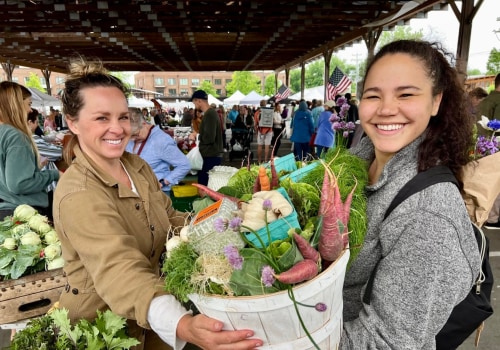
Population growth is often discussed in terms of housing development, traffic congestion, and infrastructure demands, but one of the less visible effects involves how local vendors and small businesses expand alongside growing communities. As neighborhoods develop and more residents relocate into suburban areas, demand increases for restaurants, retail shops, service providers, healthcare offices, entertainment venues, and specialty businesses. This relationship between population growth and vendor expansion is especially noticeable in rapidly growing areas where new residential developments quickly create opportunities for local entrepreneurs and commercial investment. While large corporations often receive the most attention during periods of economic growth, many local vendors quietly adapt and expand in response to changing population patterns happening throughout their communities.
Residential Growth Creates Immediate Consumer Demand
When population increases occur in a specific region, local businesses often experience rising demand almost immediately. New residents require access to grocery stores, dining options, gyms, childcare services, pet care, healthcare providers, home improvement businesses, and countless other daily necessities. As neighborhoods grow, vendors begin recognizing opportunities to serve expanding customer bases within these newly developing communities. In many cases, small businesses open additional locations or expand their services specifically because residential growth creates a stable and increasing stream of potential customers nearby.
Local Vendors Help Shape Community Identity
The expansion of local vendors does more than simply meet practical consumer needs. Small businesses also help shape the identity and atmosphere of growing communities. Coffee shops, family-owned restaurants, boutiques, fitness studios, and neighborhood service providers often become gathering places where residents socialize and build local connections. As population growth changes the demographics of an area, local vendors frequently adapt their offerings to reflect the interests, lifestyles, and cultural preferences of incoming residents. This creates a cycle where population growth influences vendor expansion, while expanding vendor options make the community more attractive to future residents as well.
Development Projects Encourage Commercial Growth
Population growth often triggers large-scale residential construction projects that naturally encourage nearby commercial development. As developers build new subdivisions and apartment communities, commercial vendors frequently follow by opening businesses designed to support those growing neighborhoods. Retail centers, dining districts, and mixed-use developments become more financially viable when population density increases. Companies such as Mountain Movers in Round Rock are part of the broader relocation activity contributing to residential expansion in fast-growing Texas communities, where increasing population numbers continue shaping local economic development patterns.
Vendor Expansion Reflects Changing Consumer Preferences
As communities grow and demographics evolve, local vendors often adjust their business models to serve changing customer expectations. New residents may seek specialty dining, fitness facilities, artisan markets, coworking spaces, or family-oriented entertainment that previously had limited demand in smaller suburban areas. In response, vendors expand services, renovate spaces, or introduce new concepts tailored to the preferences of incoming populations. This adaptation helps local economies remain competitive while encouraging greater diversity within the business community.
Infrastructure Improvements Support Business Growth
Population growth also leads to infrastructure improvements that indirectly support vendor expansion. Road construction, utility upgrades, public transportation improvements, and expanded commercial zoning all make it easier for businesses to operate in growing communities. Improved accessibility increases customer traffic and encourages additional investment from local entrepreneurs. As commercial activity increases, vendors often create additional jobs and contribute to stronger local economic stability, reinforcing the long-term relationship between population growth and business expansion.
Small Businesses Often Grow Alongside Residential Communities
Many local vendors experience growth gradually alongside the neighborhoods they serve. Family-owned businesses that once operated on a small scale may expand into larger storefronts, hire additional staff, or open second locations as nearby residential populations increase. This type of growth often happens quietly over time, making it less visible than major corporate developments, yet it plays a major role in shaping the character and convenience of expanding communities.
Population Growth and Vendor Expansion Remain Closely Connected
The relationship between population growth and local vendor expansion is deeply connected because communities evolve socially and economically as more residents move into an area. New neighborhoods create demand for businesses, while expanding vendor options help strengthen the appeal and livability of those same communities. Understanding this connection helps explain why rapidly growing regions often experience simultaneous changes in both residential development and local business activity as communities continue adapting to long-term growth.